



Brand visibility is one of the most powerful tools in modern business. The way your brand is presented in physical spaces—whether on storefronts, offices, or exhibitions—can leave a lasting impression on potential customers. Signage plays a central role in that first impression. With advancements in design and fabrication, brands today can choose between traditional flat (2D) signs and the more dynamic, dimensional 3D signage. But which one is better for your business?
Let’s explore the key differences, benefits, and considerations to help you decide which option aligns best with your brand.
What Is the Difference Between 2D and 3D Signage?
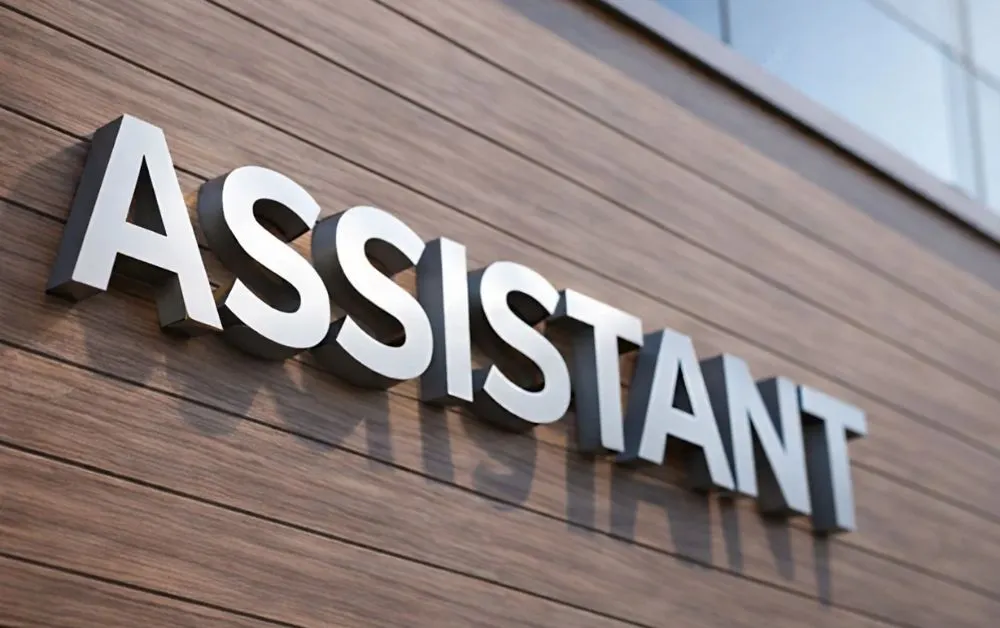
The main difference between 2D & 3D signage lies in the depth and dimensionality.
- 2D Signage is flat and typically involves printed or vinyl graphics mounted on a surface. It focuses on color, typography, and layout, but lacks physical depth.
- 3D Signage, on the other hand, uses layers, materials, and lighting to create depth and shadow. It involves raised letters, logos, or elements that physically stand out from the background, making the design appear more engaging and lifelike.
In a city like Dubai—where architectural design, luxury branding, and visual impact matter—3D signage Dubai has become increasingly popular among both corporate and retail brands.
Understanding 2D Signage: The Traditional Approach
The simplicity, cost-effectiveness, and versatility of 2D signage make it still one of the most widely used types of brand representation. It can be used indoors or outdoors, depending on the material and finish.
Advantages of 2D Signage
- Budget Friendly: The flat sign usually requires less material and labor, making it affordable.
- Fast Production: Thanks to today’s printing capabilities, 2D signs can be created and manufactured pretty fast.
- Lightweight and Portable: Easy set up, removal, or move around, great for temporary displays or on the go.
Personalization: Available in 4 styles—banner, wall graphic, window decal, or poster—allowing flexibility to fit your marketing needs.
Limitations of 2D Signage
- Lack of Visual Depth: It might not stand out from a distance, particularly in suction-adhesion competitive niches.
- More Visibility in the Dark: 2D signs may fade into the night without adequate lighting or a tactile element.
- Durability: Printed materials are susceptible to fading or damage, particularly when exposed to outdoor elements.
For 2D signage, it can be an excellent option for those businesses that require quick, cost-effective branding but not necessarily the creative stand-out that many brands want in today’s market.
Related read:-How Signage Design Affects Customer Perception of Your Brand
Understanding 3D Signage: The Modern Branding Solution
3D signage has revolutionized the way businesses present their brand identity. By adding physical depth, materials, & lighting, it transforms an ordinary logo into a powerful visual statement.
Advantages of 3D Signage
High Visual Impact
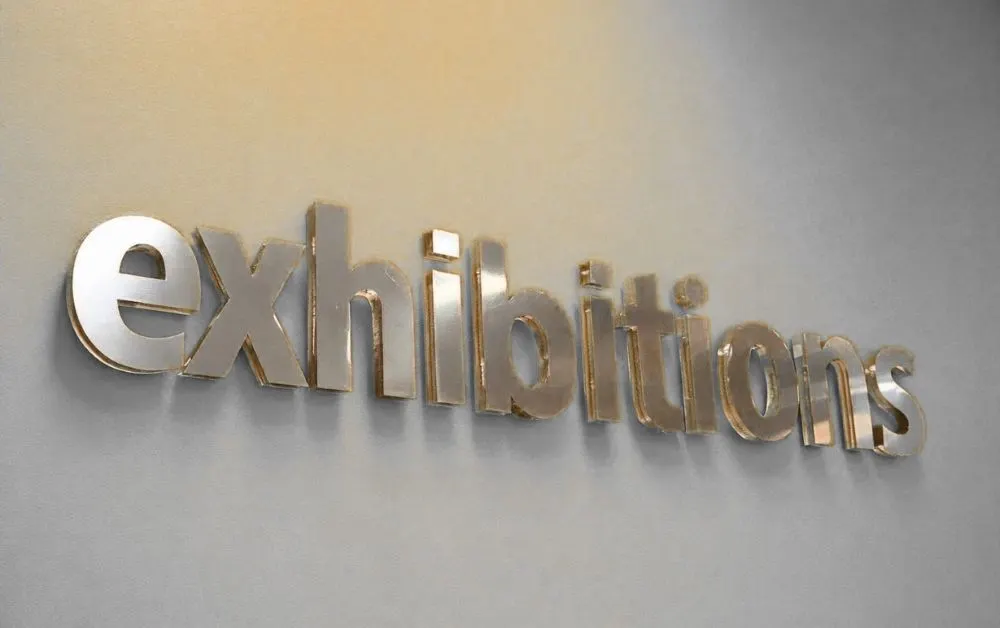
3D signs stand out immediately due to their depth and dimension. The raised elements catch light & shadow, making them visually appealing from multiple angles.
Professional Brand Image
The sophisticated finish of 3D signs communicates quality, professionalism, and attention to detail—ideal for corporate offices, hotels, retail outlets, and showrooms.
Lighting Integration
LED backlighting, edge lighting, or halo lighting can enhance visibility at night and add a premium touch to the design.
Material Versatility
3D signage can be made from a variety of durable materials, such as acrylic, stainless steel, aluminum, brass, or wood—each offering a unique texture and finish.
Long-Lasting Durability
When appropriately designed, 3D signs withstand harsh weather and maintain their color and structure for years, making them a worthwhile investment.
Limitations of 3D Signage
- Higher Cost: The design, materials, and installation process can be more expensive than flat signage.
- Longer Production Time: Fabrication involves multiple steps, like cutting, assembly, and lighting integration.
- Requires Professional Installation: 3D signs need expert handling to ensure stability and safety, especially for large exterior displays.
Despite these factors, many businesses in Dubai are moving toward 3D signage because the benefits outweigh the costs in terms of it long-term brand value.
Why 3D Signage Is Gaining Popularity in Dubai
Dubai is known for its architectural brilliance & visual sophistication. Businesses here see the importance of standing out in a competitive market. 3D signage provides the perfect balance between aesthetics and functionality—it’s visually appealing, durable, and ideally suited to the region’s dynamic environment.
By combining design, lighting, and branding, 3D signage lets businesses to showcase their identity in a way that complements the city’s modern, luxurious feel. From boutique stores in malls to large corporate headquarters, these signs elevate visibility & brand recall.
In Conclusion
The debate between 2D & 3D signage ultimately comes down to how you want your brand to be perceived. A well-designed 3D sign can transform your storefront or office into a bold visual statement that attracts and impresses customers.
Suppose you’re planning to upgrade your business with custom 3D signage in Dubai. In that case, Sadaf Designs offers creative, durable, & high-quality signage solutions tailored to help your brand stand out with style and precision.
0 Comment